Automotive Tools and Equipment for Everyday Repairs
Automotive tools and equipment range from basic hand tools for routine vehicle care to specialized machines used in professional workshops. Common essentials include socket and wrench sets, screwdrivers, pliers, torque wrenches, trim tools, and automotive tool storage. These help with tasks such as changing a battery, replacing accessible components, tightening fasteners, or working on interior fittings. Larger equipment can include air compressors, impact wrenches, hydraulic jacks, and fluid transfer tools. Consider whether a product suits occasional home maintenance, frequent DIY repairs, or a busy service bay. Set size, drive size, working range, grip comfort, and storage all affect usability. Brands such as DeWalt, Milwaukee, and Makita offer tools across automotive and general-purpose applications. Choose individual tools to fill a specific need, or a carefully selected kit for broader coverage.
- Hand tools and workshop equipment for varied repair tasks
- Compare tool sets, drive sizes, grip, and storage
- Choose equipment suited to your repair frequency
Diagnostic Scanners and Automotive Electrical Tools
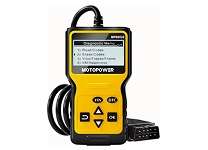
Diagnostic and electrical tools help identify faults and support repairs involving a vehicle's electronic systems. OBD-II scanners can read diagnostic trouble codes on compatible vehicles, while more advanced scan tools may display live data or support additional service functions. Always check vehicle and system compatibility before purchase, since features differ by tool and model. For electrical work, useful equipment includes digital multimeters, test lights, circuit probes, battery testers, and wire crimpers. These tools help assess voltage, continuity, charging performance, and connections when used according to their instructions. Insulated handles, clear displays, lead quality, and appropriate measurement ranges are practical comparison points. Bosch is among the established names in automotive diagnostics, alongside specialist tool makers. Ubuy can help shoppers discover international automotive tools and diagnostic equipment, with product specifications to review before choosing.
- Check scanner functions and vehicle compatibility
- Compare multimeter ranges, leads, and display readability
- Use diagnostic equipment according to its instructions
Lifting, Tire Service, and Under-Vehicle Equipment
Lifting and tire-service equipment supports work that requires access to wheels, brakes, suspension, or the underside of a vehicle. Common options include floor jacks, bottle jacks, jack stands, wheel chocks, lug wrenches, tire pressure gauges, and portable inflators. Select lifting equipment by its rated capacity, lift range, construction, and suitability for the vehicle's designated lifting points. A jack is intended to raise a vehicle; appropriately rated stands provide support during work, while wheel chocks help prevent movement. For tires, consider gauge readability, pressure range, chuck design, and whether an inflator has a suitable power source. Keep equipment clean, inspect it for damage, and follow manufacturer instructions. These products can be useful for routine tire checks and repairs, but safe setup and stable ground remain essential considerations.
- Match lifting capacity and range to the vehicle
- Use rated stands and wheel chocks for support
- Compare tire gauges and inflator features
Workshop Power Tools, Materials, and Accessories
Power tools can make repetitive automotive tasks more efficient, while accessories help adapt equipment to different jobs. Cordless and corded impact wrenches, drills, work lights, and air-powered tools each suit different workspaces and power needs. Compare torque settings, speed control, battery platform, runtime, ergonomics, and access to compatible chargers or replacement batteries. For air tools, check the compressor's capacity and the tool's air requirements. Socket adapters, extension bars, impact-rated sockets, drill bits, abrasives, and magnetic trays can round out a workshop setup. Tool materials and finish also matter: hardened steel is common for sockets and wrenches, while corrosion-resistant finishes can help protect tools during storage. Milwaukee, DeWalt, and Makita are widely recognized power-tool brands. Ubuy offers a way to explore international equipment options; review included accessories and specifications carefully.
- Compare power source, control, and battery compatibility
- Select accessories rated for the tool and task
- Review materials, finishes, and included components
Compatibility, Fit, and Maintenance Considerations
A tool's usefulness depends on fit with the vehicle, fastener, and working environment. Check socket measurements, metric or imperial sizing, drive compatibility, fastener access, and any required adapters. For electronic equipment, confirm supported diagnostic protocols and service functions rather than relying on a broad product label. Some repairs may call for model-specific tools, such as specialty pullers or brake service tools, so verify the application before buying. Consider whether a compact design can reach confined spaces and whether handles provide control with gloves. Maintenance helps preserve performance: wipe tools after use, store them dry, inspect cords and batteries, and keep moving parts clean as directed. Torque wrenches and measuring devices may require periodic accuracy checks. Product descriptions on Ubuy can help shoppers compare international options, but the manufacturer's specifications should guide compatibility decisions.
- Confirm sizes, protocols, and vehicle application
- Consider access, ergonomics, and workspace conditions
- Inspect, clean, and store tools as directed
Select the Right automotive tools equipment
Start with the jobs you expect to perform, then build a toolkit around those needs. For basic maintenance, prioritize quality hand tools, a reliable tire gauge, suitable lifting equipment, and essential safety accessories. For troubleshooting, compare an OBD-II scanner and electrical test tools by supported functions and vehicle compatibility. A professional or frequent DIY setup may benefit from impact tools, a compressor, specialty service equipment, and organized storage. Before purchasing, check measurements, capacity ratings, power requirements, included accessories, and care instructions. Balance portability and coverage against the space available in your garage or service area. Avoid choosing a tool solely by appearance or a long feature list; practical fit and clear specifications matter more. Ubuy lets shoppers discover automotive tools from international product selections. Compare product details and intended applications to make a confident, informed choice.
- Prioritize tools for your actual repair tasks
- Verify specifications, fit, and operating requirements
- Build a toolkit that suits your workspace